We’ve all been there… whether we’re at work, running errands, studying, taking care of family or just trying to get through the day; when suddenly it feels like everything hits at once. A stressful text. Too much noise. Emotions we didn’t see coming. Our body reacts before our mind can catch up.. heart racing, shallow breathing, that knot in the stomach..
When stress, anxiety or overwhelm strikes in the moment, it can feel impossible to focus, let alone keep moving forward on your work, career or personal goals. But here’s the good news: there are simple, practical strategies that you can use right away to ground yourself and bring your nervous system back to a state of calm. And over time, by combining these “in-the-moment” techniques with intentional habits and routines, you can build a lifestyle of self-care that not only supports your mental health but also helps you consistently show up for your goals.
So, let’s dive in!
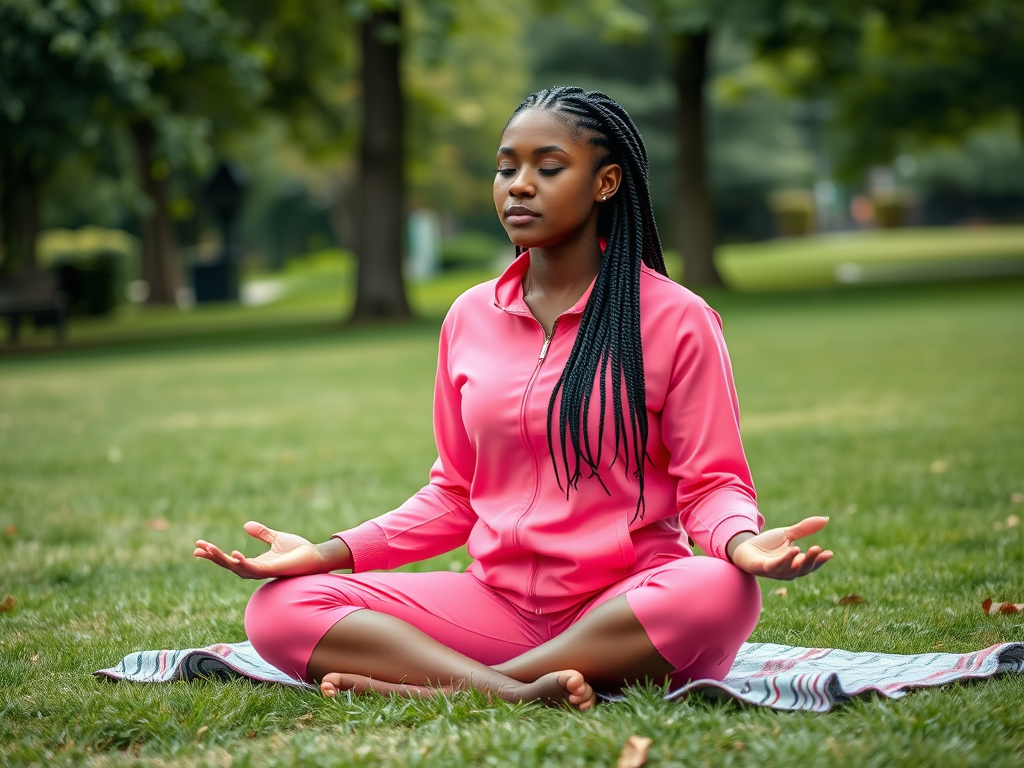
Step 1: Grounding in the Moment – The 5 Senses Approach
Grounding is about bringing yourself back into the present when anxiety tries to pull you into worry about the future or rumination about the past. One of the most effective ways to do this is through your five senses.
Here are practical examples you can try:
Sight – Focus on something around you with details; like noticing five colors in the room, or naming the shapes and textures of objects nearby. This trains your brain to pay attention to what’s right in front of you instead of spiraling thoughts.
Touch – Hold something with texture like a stress ball, fidget or even an ice cube. The sensation grounds you in your body and interrupts the anxious thought cycle.
Sound – Pop in your headphones and listen to calming sounds; lofi-beats, binaural beats, nature sounds or even ASMR. This helps soothe your nervous system and shifts your focus.
Smell – Keep a small essential oil roller, scented lotion or even coffee beans nearby. Scents have a direct link to the brain and can trigger a calming effect.
Taste – Chew gum, pop a mint or sip on a soothing tea. The physical act of tasting something forces your body to pause and reset.
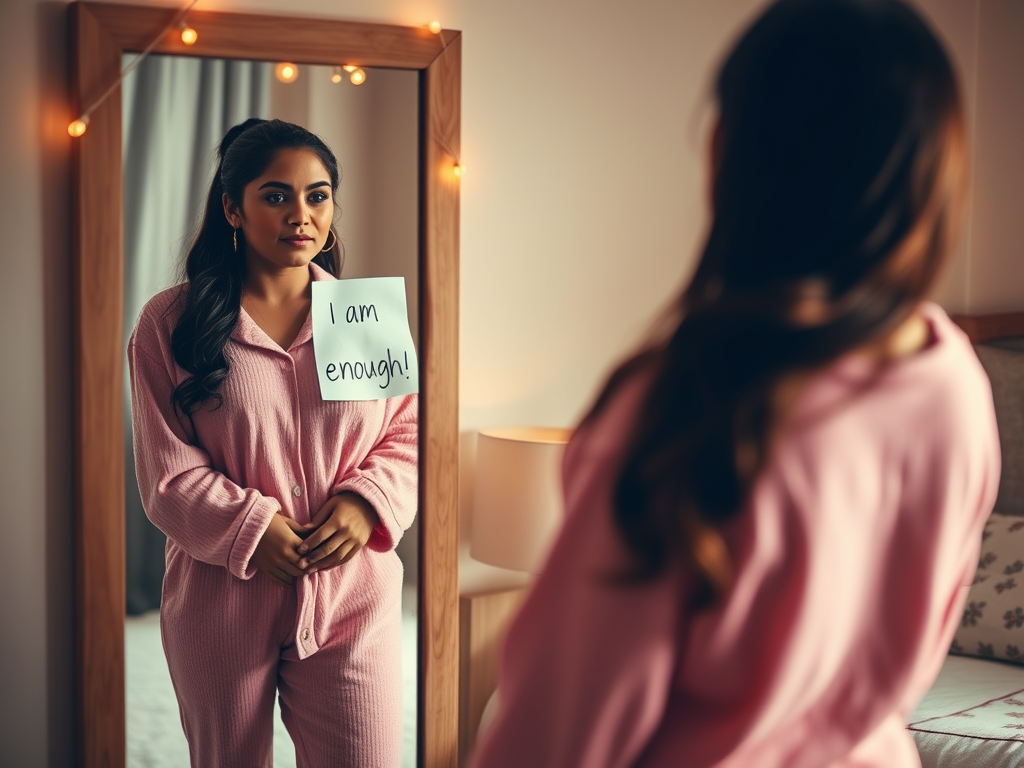
Step 2: Expanding Your Toolkit – Other Grounding Categories
While the 5 senses are powerful, they aren’t they only tools. Think of your anxiety relief toolkit as having different “categories” you can draw from depending on the moment.
Spiritual Grounding – Whisper or write out a short prayer, recite a scripture or practice breath prayers (e.g. inhale “God is with me,” and exhale, “I release my fear”). This reminds you that you’re not carrying the weight alone.
Physical Grounding – Do a few stretches at your desk, take a short walk, or focus on taking slow, deep breaths. Movement helps release pent-up energy and signals safety to your body.
Mental/Emotional Grounding – Practice positive self-talk, write a quick note of gratitude, or name what you’re feeling without judgement (“I feel anxious, but I am safe”). Identifying emotions takes away some of their power.
Environmental Grounding – Adjust your space; dim the lights, tidy your desk/office space, declutter or step outside for fresh air. Shifting your environment can shift your mental state too.
Having a variety of tools in your “grounding kit” ensures you can respond in the moment, no matter where you are or what triggered the anxiety.

Step 3 : From Coping to Lifestyle – Building Habits That Support You
The key to lasting change isn’t just handling stress in the moment but creating a lifestyle that helps prevent burnout and keeps you centered. This means:
Daily Routines – Doing mindful activities such as morning journaling, prayer, exercise or even a short walk after work.
Weekly Reset Practices – Plan time to unplug, meal prep or review your goals so that you feel organized and less scattered.
Boundaries – Learn when to say no, limit overcomitments and protect your time and energy.
Consistent Self-Care – Treat your self-care as a non-negotiable, not just a luxury for when you’re already burnt out.
Over time, these habits create resilience, so when stress does show up (because life happens), you recover faster and can keep showing up for your work, your business and your loved ones.

Step 4: Remember, It’s a Process
Here’s the truth: this isn’t an overnight fix. Creating a lifestyle of self-care takes intention, patience and consistency. Some days will feel easier, some harder, but every small step adds up.
The more you practice grounding and commit to long-term routines, the stronger your toolkit becomes. You’ll notice yourself handling stress differently, bounding back quicker, and staying focused on your goals even when life feels overwhelming.
We don’t have to choose between pursuing our goals and protecting our peace. We can do both. By learning how to ground yourself when anxiety rises and creating habits that support you daily, you’re building a life where self-care and success go hand in hand.
I’m not all about trends, fads and diets.. I am all about creating healthy lifestyles. And, that is because I know all too well what it’s like to be goal oriented and purpose driven, showing for everyone and everything, and still burning out quickly when it comes to my personal and professional goals.
I’ve had many jobs over the years, and too often I have experienced burnout after just a few months of starting the new jobs. It wasn’t until I began to prioritize and practice self-care, daily, that I began to experience more peace in my every day life. I struggle with stress and anxiety almost daily. I get overwhelmed, triggered and overstimulated almost every other day it seems. So often, I have felt to overwhelmed, too tired (spiritually, mentally and emotionally) to give my goals and intentions the time and effort they deserve. However, being intentional about my self-care has been a game-changer. Creating an anxiety toolkit has also helped me navigate the high-stress moments both in private and public settings. I know from personal and professional experience (having worked as a behavioral health tech and behavioral health case manager), that having an anxiety toolkit made of anxiety and stress relief techniques (coping skills) that work best for you, and creating a lifestyle of self-care can help us not just “survive” the high-anxiety moments, but also thrive!
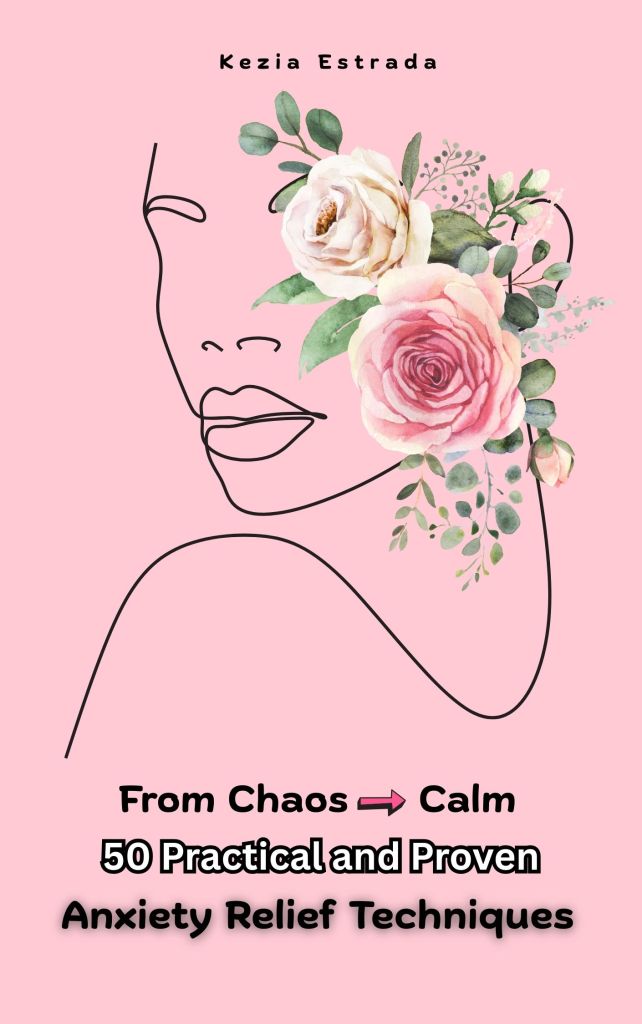
If you’re still trying to figure out what stress and anxiety coping and relief techniques will be most effective and game-changing for you; I invite you to grab a copy of a new resource: The Anxiety Relief Playbook. It has 50 anxiety relief techniques that you can explore and personalize for your own journey. Grab your copy HERE

 keziamarie.co