
Managing anxiety while pursuing big goals can feel like a constant balancing act. Some days, you’re energized and motivate; other days, anxiety creeps in, making it hard to to stay consistent. The fear of burnout, the pressure to keep up and the mental exhaustion of overthinking can make showing up feel impossible. But, here’s the truth: We don’t have to choose between managing our anxiety and chasing our dreams. We can do both, with the right tools, self-awareness, and a system that works for us individually.
This blog post will walk you through practical steps to build a sustainable routine, create habits that stick, and develop a personal toolkit of coping skill, sot hat you can keep showing up even on the hard days.
Let’s jump in!
Step 1: Build Routines that Work for You

Routines create stability, which is essential when navigating anxiety. When life feels overwhelming , having a structured plan in place makes it easier to take action without overthinking.
4 Steps to Creating a Grounding Routine:
- Start Small and Simple – Don’t overhaul you entire day at once. Pick one or two key habits that will set the tone for success (like morning journaling or an evening wind-down routine).
- Make it Predictable – Having a set order for tasks reduces decision fatigue and helps you stay consistent. (Example: Always drink water before checking your phone in the morning).
- Incorporate Movement and Mindfulness – Whether it’s deep breathing, stretching, or a quick walk, movement helps regulate anxiety and improve focus.
- Adapt When Needed – Your routine should support you, not stress you out. If something isn’t working, adjust it instead of abandoning it altogether.
Step 2: Build Habits That Stick (Using Habit Stacking)

Building strong habits is key to maintaining consistency, even when anxiety makes motivation feel out of reach. Habit stacking is a method where you attach a new habit to an existing one. This helps make new behaviors become habitual.
4 Steps to Habit Stacking for Anxiety and Productivity:
- Anchor to an Existing Habit – Link a new habit to something that you already do daily. (Example: “After I make my morning coffee, I will take three deep breaths before starting my day.”
- Make it Easy and Specific – Choose habits that require minimal effort at first. (Example: Instead of “meditate daily,” start with “take one mindful breath before opening my laptop.”)
- Celebrate the Small Wins – Reinforce new habits with positive emotions. (Example: Keep a habit tracker and acknowledge your progress, even if it’s just a check mark.)
- Adjust as You Go – If something doesn’t feel natural, shift the habit placement. (Example: If morning affirmations feel forced, try saying them while brushing your teeth instead.)
I developed a habit of complaining A LOT. So, gratitude is something that I’ve gotten back into the habit of practicing daily. What that looks like for me is, on my drives to work, I verbally call out a minimum of 5 things that I am thankful for that morning. See, I have a specific pattern. I complete these exercises routinely, at the same “part” of my day, each day, and those habits are consistently followed by the same task before and after. That is one way that is one way that I habit stack.
Step 3: Create Your Personal Coping Skills Toolkit

One-size-fits-all coping techniques don’t exist. What works for someone else might not work for you and that’s okay. The key is to explore and identify coping skills that are effective for you in different situations. Instead of relying on trending anxiety hacks from social media, focus on self-awareness. Ask yourself:
What helps me calm down quickly when I’m overwhelmed at work?
What techniques ground me when I’m home and feeling anxious?
What coping skills help me refocus when I’m in public or on the go?
How to Build Your Personal “Stack Tool Deck” (Coping Skills Kit):
- Explore Different Techniques – Experiment with deep breathing, journaling, sensory grounding, movement or creative outlets. I literally have coping skills for each of the five senses. And, some of them, I discovered just by becoming aware of how something (like smelling a scented bar of soap or the scent of my husbands cologne) is calming and helps me relax when I’m feeling stressed or anxious.
- Identify What Works Best for YOU – Pay attention to which coping skills feel effective vs. which feel forced.
- Categorize Coping Strategies – Create sections for work, home, and on-the-go strategies. (Example: At you may use a grounding object or a quick breathing exercise, while at home, you may prefer journaling or stretching.)
- Have a Go-To List for Stressful Moments – When anxiety spikes, decision-making becomes harder. Keep a written or digital list of your most effective coping strategies so you can refer to it when needed.
Keep Showing Up, Even on the Hard Days!
Managing anxiety while going after big goals isn’t about eliminating fear and stress altogether. It’s about having the right tools to navigate them. By creating routines, stacking habits, and building a personalized coping skills toolkit, you can show up consistently, even when anxiety tries to hold you back.
But, just as important as showing up is giving yourself time and grace when you can as well. Life moves fast and it often feels like we’re constantly under pressure, rushing to meet deadlines, be somewhere on time, or keep up with all the demands placed on us. That nonstop cycle of overwhelm can be exhausting. Not just physcially, but mentally and emotionally, too.
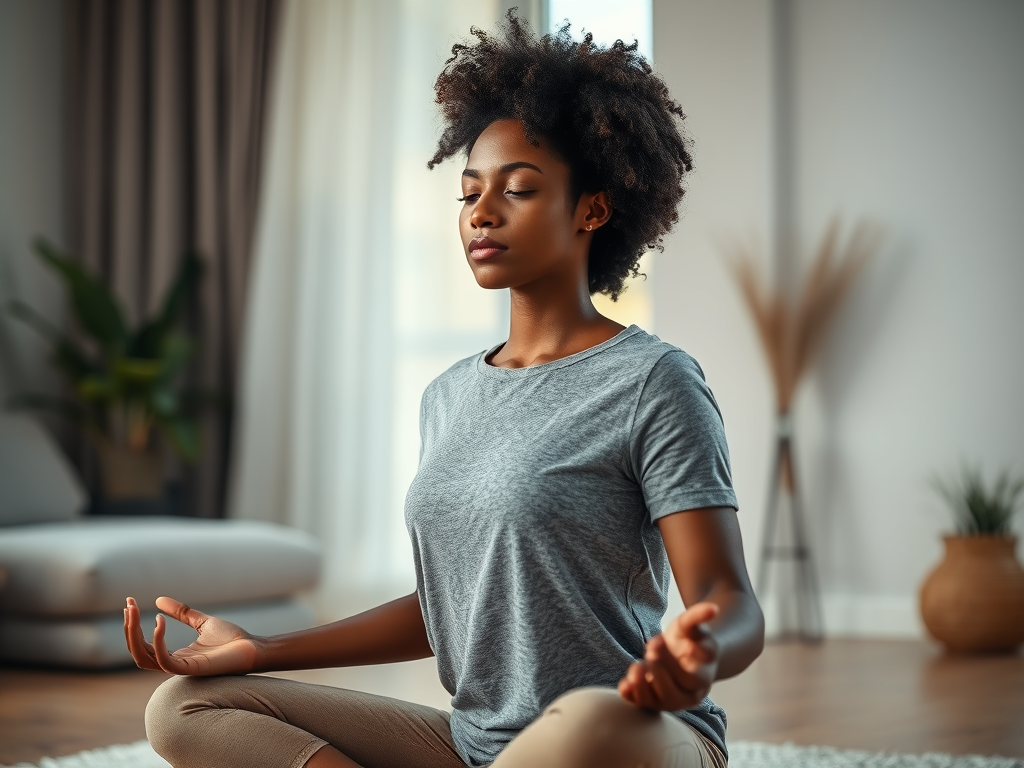
That’s why finding a healthy balance is essential. These three steps will help us manage our meant health in ways that are both effective and sustainabale, so that we can continue to show up, pursue our goals, and walk in our God-given purpose without runnign ourselves into the ground.
Some days will be harder than others, and thats okay. Progress matters more than perfection. Keep taking small steps, lean on your strategies and remind yourself that you are capable of acheiveing your goals, anxiety and all.
What’s one small habit or coping skill you can start implementing today? Drop a comment below, I’d love to hear from you!

 keziamarie.co